RSS Feed
 Twitter



Many women notice their desire for sex rising and falling over the years. Stress, poor sleep, new medicines, and hormone shifts around menopause can all play a part. When interest stays low, a growing number of women look at natural female libido pills as a gentle first step toward better sexual wellness.
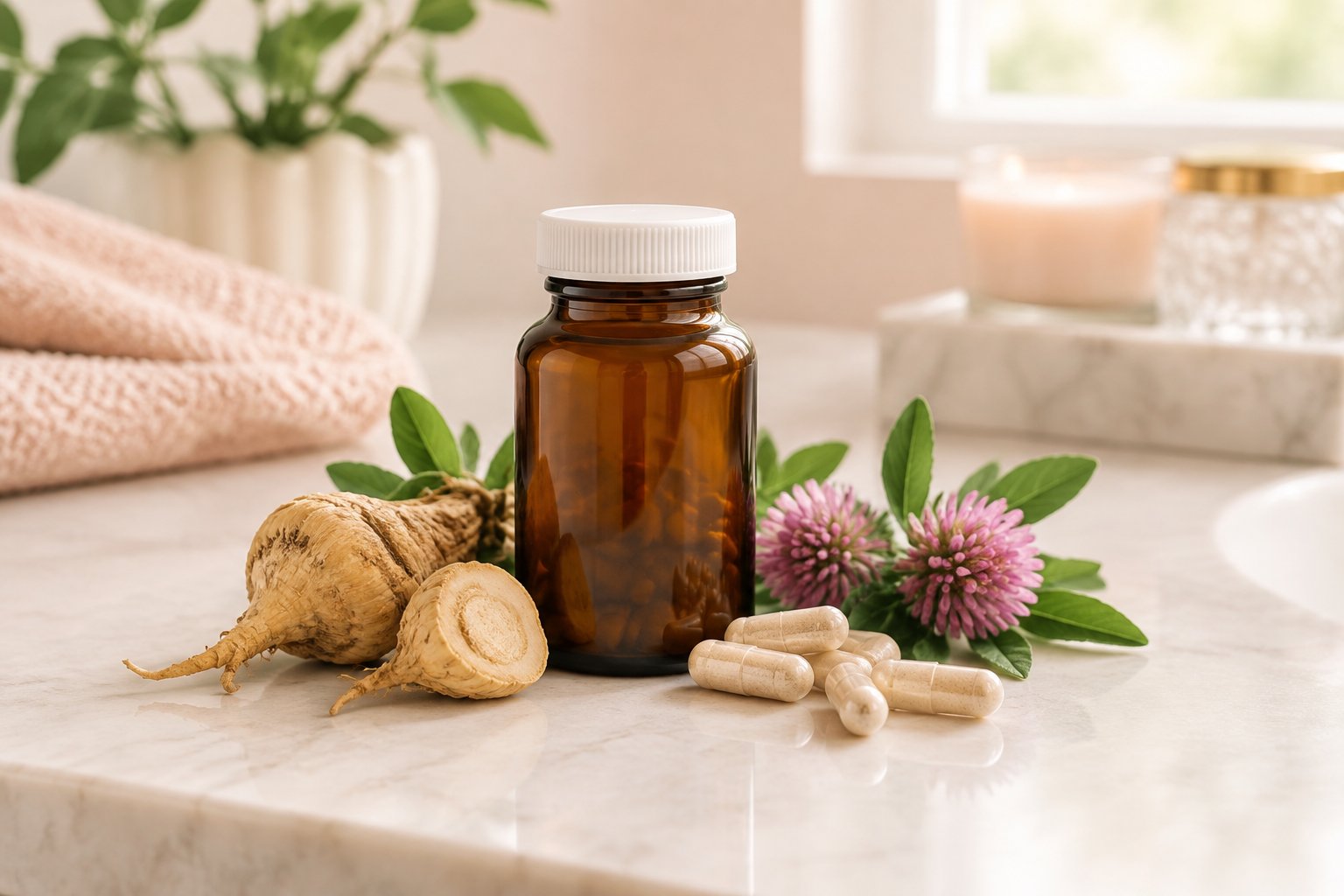
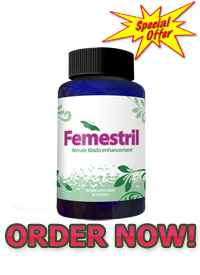
Some herbal ingredients, mainly maca, Korean red ginseng, ashwagandha, and saffron, have small human trials showing modest gains in female libido. A well-labeled blend such as Femestril can be a reasonable option for healthy adult women who want to try a plant-based approach alongside better sleep, stress relief, and open talks with a partner. No pill works like a switch. The best results come from picking a product with clear doses, giving it several weeks, and ruling out other causes first.
Supplements for female libido sit in a lightly regulated market. Labels differ widely, and the research behind single herbs does not automatically carry over to every finished product. Smart shoppers can still find options that fit their goals and health needs.
Key Takeaways
- A few herbs show modest benefits for desire and arousal in small studies.
- Safety checks and clear labels count as much as the ingredient list.
- Pills work best as one part of a wider plan for sexual health.
Do Natural Libido Pills Work, and What Can You Expect?
Natural libido pills can help some women, and the gains in trials are real but modest. Studies point to small improvements in sexual desire, arousal, and satisfaction over several weeks, with results that differ from person to person.
What Does the Evidence Say About Sexual Desire and Arousal?
Most trials on female libido supplements are small, often with fewer than 100 women, and last 6 to 12 weeks. Researchers usually measure results with the Female Sexual Function Index (FSFI), a survey that scores desire, arousal, lubrication, orgasm, satisfaction, and pain.
Across these trials, women taking certain herbs scored better than women taking a placebo, mainly on desire and arousal. The placebo groups also improved in many studies. That pattern is common in sexual health research, since paying attention to intimacy can lift female sex drive on its own.
Why Ingredient Studies Do Not Prove a Finished Product Works
A trial on one herb at one dose tests only that herb at that dose. A finished blend may use a smaller amount, a different extract, or a mix of several plants that were never tested together.
Shoppers should compare the label dose with the dose used in research. For example, a well-known maca trial for sexual function used 3.5 grams a day, which is far more than many blends contain. Products that list exact milligrams for each herb make this check easy.
How Long Might Benefits Take, and What Counts as Improvement?
Most studies ran for at least 6 to 8 weeks before testing results. A fair trial at home looks similar: take the product as directed for about two to three months.
Improvement can look like:
- More frequent sexual thoughts or interest
- Easier female arousal during intimacy
- Better sexual function and satisfaction
- Less stress around sex
If nothing changes after three months, the product is unlikely to help that person.
Which Herbal Ingredients Have Human Research Behind Them?
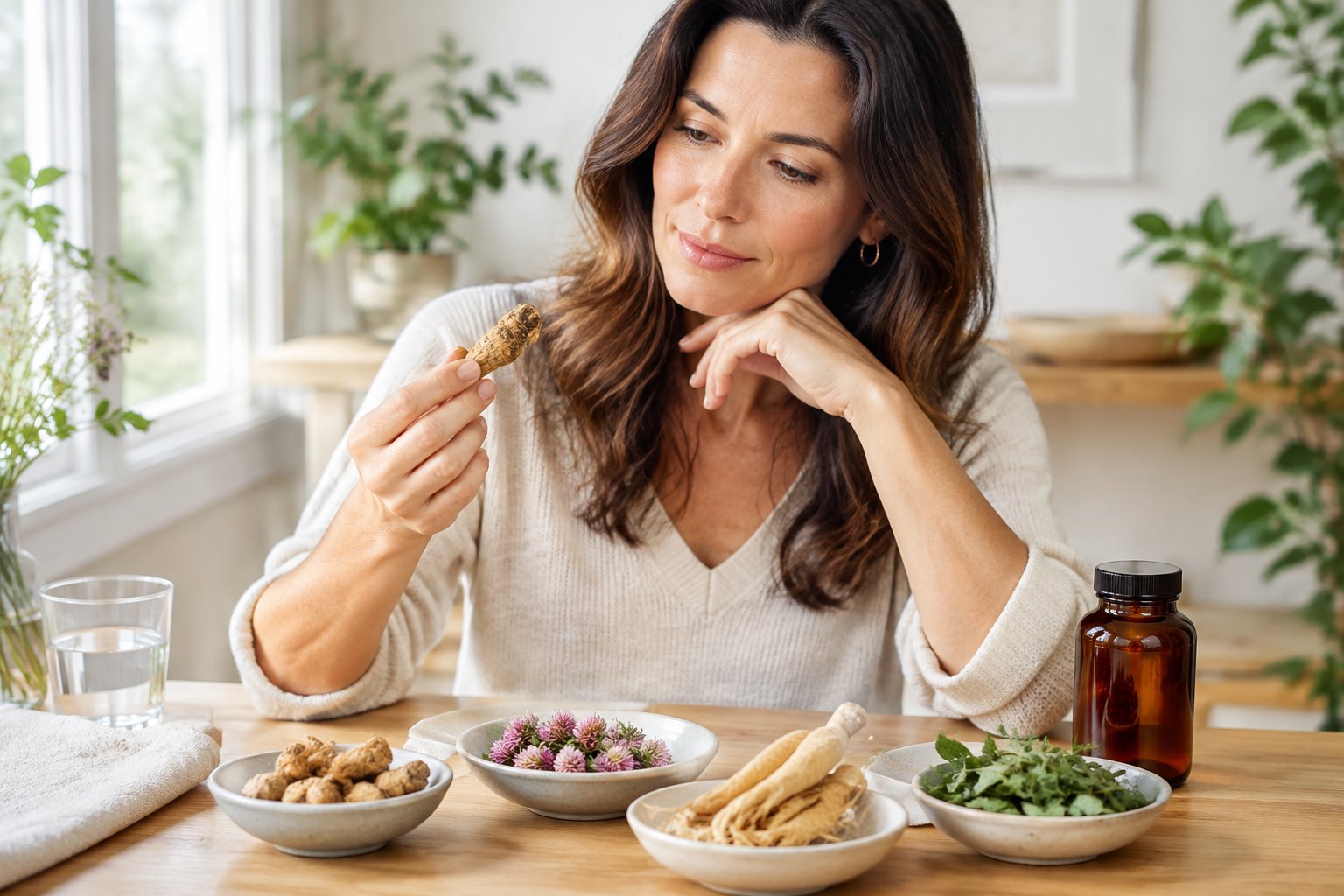
Maca, Korean red ginseng, ashwagandha, saffron, fenugreek, and tribulus have the most human data for women, though each rests on a handful of small trials. Herbs such as damiana and horny goat weed are popular in blends but have little direct research in women.
| Ingredient | Main studied use in women | Evidence strength |
|---|---|---|
| Maca root | Desire, menopause, antidepressant side effects | Small trials |
| Korean red ginseng | Arousal after menopause | Small trials |
| Ashwagandha | Desire and arousal | One to two trials |
| Saffron | Antidepressant-related sexual problems | Small trials |
| Fenugreek | Desire and arousal | Preliminary |
| Tribulus terrestris | Desire in premenopausal women | Preliminary |
| Damiana, epimedium | Traditional use | Very limited |
Maca Root and Ginseng: Promising Findings With Important Limits
Maca root, a Peruvian plant, improved sexual desire scores in small trials of postmenopausal women and in women with sexual side effects from antidepressants. Doses in these studies ranged from about 1.5 to 3.5 grams a day. Maca is a food plant and is well tolerated by most people.
Panax ginseng, especially Korean red ginseng, improved arousal scores in menopausal women in a small Korean trial. Ginseng can affect blood sugar and may interact with blood thinners, so it needs more care than maca.
Ashwagandha and Saffron: What Small Studies Suggest
Ashwagandha is an herb known for easing stress. In one eight-week trial, women taking a root extract twice a day had better FSFI scores than women on placebo. Its link to lower cortisol may explain part of the effect.
Saffron, the spice, helped women with antidepressant-related sexual problems in a small four-week trial, mainly with arousal and lubrication. Typical study doses were about 30 mg a day, a small amount compared with cooking.
Fenugreek and Tribulus: Preliminary Evidence, Not Proven Hormone Fixes
A fenugreek seed extract improved desire and arousal in a trial of women with low sexual desire over eight weeks. Tribulus terrestris showed gains in desire in premenopausal women with low libido in a 90-day study.
Labels sometimes say these herbs “balance hormones.” Human studies have not shown that they reliably change estrogen or testosterone levels in women, so buyers should treat those claims with care.
L-Arginine and Ginkgo Biloba: Blood Flow Claims vs. Desire
L-arginine is an amino acid that helps the body make nitric oxide, which widens blood vessels. Better blood flow can support arousal, but blood circulation does not create desire. Studies in women mostly tested L-arginine inside multi-ingredient blends, so its own effect is unclear.
Ginkgo biloba has a similar blood flow story. Trials in women have shown mixed results, and ginkgo raises bleeding risk when combined with blood thinners.
Damiana, Horny Goat Weed, and Other Herbs With Limited Evidence
Damiana, horny goat weed (epimedium), shatavari, muira puama, rhodiola, dong quai, and shilajit have long traditional use. Direct trials of each herb alone in women are scarce or missing. Ginger showed a short-term boost in arousal in one lab study, but that does not prove a daily pill works.
These herbal supplements can still appear in quality blends. Shoppers should simply know which ingredients carry the research weight in a formula.
Can Vitamins and Minerals Help With Low Desire?
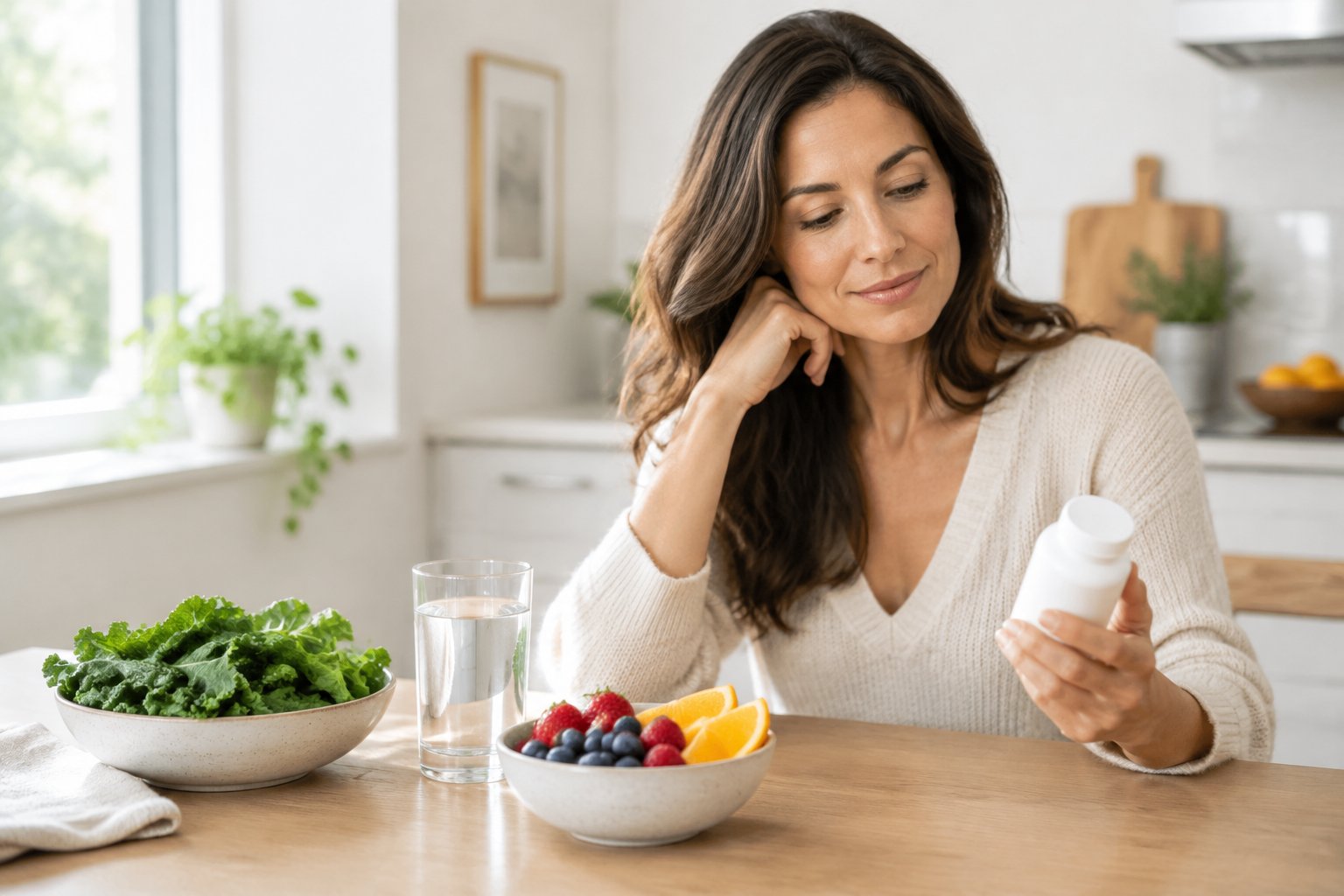
Vitamins and minerals help low sexual desire mainly when a woman is low in that nutrient. Fixing a deficiency can restore energy and mood, but extra nutrients beyond normal levels have little proof of boosting libido.
Vitamin D, Iron, and Zinc: Addressing Confirmed Deficiencies
Low vitamin D is linked to poorer sexual function in some studies, and many American adults run low. Iron deficiency, common in women with heavy periods, causes fatigue that can drain interest in sex. Zinc supports reproductive health and hormone production.
A simple blood test can confirm these levels. Women who are low often feel better in many ways after correcting the gap with a doctor’s advice.
B Vitamins, Vitamin E, and Magnesium: Essential Nutrients, Not Proven Libido Boosters
B vitamins, including vitamin B3 (niacin), help the body turn food into energy. Vitamin E is an antioxidant, and magnesium supports sleep and muscle relaxation. All three are important for health.
Direct trials showing these nutrients raise desire in women with normal levels are lacking. High-dose niacin can cause flushing and liver strain, so more is not better.
Omega-3 Fatty Acids and L-Carnitine: Where Evidence Remains Limited
Omega-3 fatty acids from fish oil support heart and brain health and may help mood. L-carnitine plays a role in energy use. Neither has strong research for female libido, though both can fit a healthy routine.
What Safety Checks Matter Before Taking a Supplement?
A quick safety review before starting any libido supplement protects against drug interactions, hormone effects, and contaminated products. Most risks come from mixing herbs with medicines, using hormone products without guidance, or buying from unclear sellers.
Medication Interactions and Side Effects to Review
Several herbs interact with common drugs:
- Ginseng and ginkgo: may raise bleeding risk with warfarin, aspirin, or similar drugs
- Ginseng: may lower blood sugar alongside diabetes medicine
- Ashwagandha: may affect thyroid levels and add to sedatives
- L-arginine: may drop blood pressure with heart or blood pressure drugs
- Saffron and some herbs: may add to the effects of antidepressants
Mild side effects include upset stomach, headache, or trouble sleeping. A pharmacist can check a full medicine list in a few minutes.
Pregnancy, Breastfeeding, and Conditions That Need Extra Caution
Women who are pregnant, trying to conceive, or breastfeeding should avoid libido herbs unless a doctor approves them. Safety data for these groups is thin.
Extra caution applies to women with thyroid disease, a history of hormone-sensitive cancer, liver or kidney disease, bleeding disorders, or upcoming surgery. Ashwagandha has been linked to rare liver injury reports.
Why DHEA and Other Hormonal Products Need Clinical Guidance
DHEA is a hormone the body turns into testosterone and estrogen. Oral DHEA sold over the counter can cause acne, hair growth, and mood changes, and it may affect hormone balance in ways that are hard to predict.
Products that claim to raise testosterone, estrogen, or progesterone should be used only with a clinician’s oversight. A prescription vaginal DHEA product exists for painful sex after menopause, which shows hormone treatment belongs under medical care.
Hidden Drug Ingredients, Megadoses, and Other Warning Signs
The FDA has repeatedly warned about sexual enhancement supplements that contain hidden prescription drugs. These products can cause dangerous drops in blood pressure.
Warning signs include:
- Promises of instant or guaranteed results
- “Proprietary blends” with no doses listed
- Vitamin doses far above daily values
- No company address or customer contact
- Sold only through pop-up ads or unknown marketplaces
Third-party seals such as USP or NSF add confidence that the label matches the bottle.
How Do Popular Products Compare on Labels, Evidence, and Value?
Popular women’s libido supplements fall into two groups: multi-herb blends and single-ingredient products. Blends offer convenience, while single herbs make it easier to match study doses and check value.
| Product | Format | Key ingredients | Best for |
|---|---|---|---|
| OLLY Lovin’ Libido | Capsule | Ashwagandha, damiana, maca | Easy store-bought blend |
| Happy Healthy Hippie Maca | Capsule | 1,200 mg maca, black pepper | Single-herb maca trial |
| Sapir’s Nutrition | Capsule | Multi-herb blend | Online shoppers comparing labels |
| Femestril | Capsule | Herbal blend | Women wanting a dedicated formula |
| Libido gummies | Gummy | Varies | Women who dislike pills |
OLLY Lovin’ Libido and Happy Healthy Hippie: Comparing Blends With Maca Capsules
OLLY Lovin’ Libido combines ashwagandha, damiana, and maca in gluten-free, vegetarian capsules with no artificial colors. The suggested dose is two capsules a day, so one bottle lasts about 20 days. It suits women who want a widely sold brand.
Happy Healthy Hippie Organic Maca Root Capsules offer 1,200 mg of maca per serving, with black pepper extract added for absorption. That dose falls within the lower range used in maca trials, which makes it a simple way to test maca alone.
Sapir’s Nutrition and Other Online Brands: What to Verify Before Buying
Sapir’s Nutrition Female Libido Booster, Health Nutrition Naturals Libido Booster for Women, Joyspring Intimiss, and Warped Wellness Libido Supplement are sold mainly online. Before buying any of them, shoppers should check:
- Exact milligrams for each herb
- Third-party testing details
- A U.S. address and return policy
- Reviews from verified buyers
Where Does Femestril Fit Among the Options?
Femestril is designed as a dedicated female libido booster, which appeals to women who want one daily product made for their needs. It fits best for healthy adult women who have ruled out medical causes and want a structured, plant-based routine paired with lifestyle changes.
To get the most from Femestril, women should read the full ingredient panel, compare herb doses with the research above, and check for interactions with any current medicines. Taking it daily for two to three months, while also improving sleep and stress, gives a fair test of whether it supports their sexual wellness.
Capsules vs. Libido Gummies: Doses, Testing, and Cost per Serving
Capsules hold more herb per serving and rarely contain added sugar. Libido gummies taste better but often pack lower doses, plus sugar and gelatin.
To compare value, divide the bottle price by the number of daily servings. A cheap bottle that needs four pills a day can cost more per month than a pricier one-a-day option.
Could Another Cause of Low Desire Need Attention First?
Low libido in women often has a clear cause that deserves care before or alongside a supplement. Stress, sleep loss, depression, relationship strain, medicines, and menopause changes are among the most common drivers.
Stress, Sleep, Mood, Relationships, and Medication Effects
Long-term stress raises cortisol, which can push sex drive down. Poor sleep, anxiety, and depression all lower interest in sex. Conflict or distance with a partner affects desire just as strongly.
Medicines play a big role too. Antidepressants called SSRIs, some birth control pills, and certain blood pressure drugs can reduce desire or arousal. A doctor can sometimes switch drugs or adjust doses.
Perimenopause, Menopause, and Vaginal Dryness
Hormonal changes during perimenopause and menopause can lower desire and cause vaginal dryness. Dryness makes sex uncomfortable, and discomfort quickly reduces interest.
Menopausal women often get major relief from lubricants, vaginal moisturizers, or low-dose vaginal estrogen. Treating pain first can restore desire on its own.
When Persistent Low Desire Warrants an HSDD Assessment
Hypoactive sexual desire disorder (HSDD) is a recognized form of sexual dysfunction. It means low desire that lasts at least six months and causes personal distress, without another clear cause.
A woman who fits this pattern should see a clinician. HSDD has FDA-approved treatments for premenopausal women, and women’s sexual health specialists can build a full plan.
What Can Support Sexual Wellness Alongside or Instead of Pills?
Daily habits, simple products, and professional support can lift female sexual wellness with or without a pill. Many women see the best results by combining a few of these.
Sleep, Movement, Stress Relief, and Pressure-Free Intimacy
Seven to nine hours of sleep supports energy and mood. Regular exercise improves blood flow and body confidence. Stress relief through walking, yoga, or breathing exercises lowers tension that blocks desire.
Pressure-free intimacy also helps. Couples who focus on touch and closeness without a goal of sex often find desire returns more easily. Cutting back on alcohol helps too, since heavy drinking dulls arousal.
Chocolate, Oysters, and Other Aphrodisiac Foods: Romance vs. Evidence
Chocolate, oysters, and strawberries carry a strong romantic reputation. Oysters are rich in zinc, and chocolate can lift mood. Treats like chocolate-covered strawberries are more associated with romance than with any proven rise in desire. They can still set a pleasant mood.
Lubricants and Arousal Oils: Different Roles From Oral Supplements
Lubricants such as Astroglide reduce friction and dryness right away. Arousal oils such as Zestra are applied to the skin to boost warmth and sensation. These products act on the body during sex, while oral supplements aim to support desire over weeks.
When Sex Therapy or Prescription Treatment May Be More Appropriate
Sex therapy helps with body image, past trauma, or relationship patterns that affect desire. Certified sex therapists work with individuals and couples.
Prescription options include flibanserin (Addyi) and bremelanotide (Vyleesi) for premenopausal HSDD, plus hormone therapy for menopause symptoms. A clinician can weigh benefits and risks for each woman.
Choose Support That Fits Your Symptoms and Safety Needs
Women have more options for desire than ever, and the most useful plan starts with a clear look at what is driving low interest. When medical causes are ruled out, female libido supplements with researched herbs such as maca, ginseng, ashwagandha, or saffron offer a hopeful, low-risk place to begin.
A dedicated blend like Femestril can fit that plan for women who want convenience, as long as they review the label and check their medicines first. Pairing a supplement with better sleep, stress relief, and honest talk with a partner gives the best chance of greater sexual satisfaction. Give any product two to three months, track changes in a simple notebook, and talk to a clinician if desire stays low.
Frequently Asked Questions
Do any natural female libido pills work instantly?
No natural pill reliably boosts female libido within hours. Herbs in trials took about 6 to 12 weeks to show changes. Products promising instant results may contain hidden drugs and should be avoided.
Which natural libido supplement has the best evidence for women?
Maca and Korean red ginseng have the most human studies for desire and female arousal. Ashwagandha and saffron also show promise in small trials. All of this evidence is modest, so results vary.
Can I take libido supplements with antidepressants or birth control?
Some women can, but they should check with a doctor or pharmacist first. Saffron and maca have been studied in women on antidepressants, while other herbs may interact with these drugs. Herbs are not known to cancel birth control, but a pharmacist can confirm for a specific product.
Are natural libido pills helpful after menopause?
Maca and Korean red ginseng improved desire or arousal in small studies of women after menopause. Vaginal dryness is often a major factor, so lubricants or vaginal estrogen may be needed alongside supplements for female libido. A doctor can help choose the right mix.
How can I improve my libido naturally without taking pills?
Better sleep, regular exercise, and stress relief all support desire. Less alcohol, more pressure-free intimacy, and open talks with a partner help many women. Sex therapy is a strong option when emotional or relationship issues are involved.